What is AC short cycling?
AC short cycling is when your air conditioner starts, runs briefly, shuts off, and restarts soon after instead of finishing a full cooling cycle. The thermostat isn't being satisfied, or a safety control is stopping the system early, so it keeps trying again.
You'll usually notice it before you can name it. Rooms cool unevenly, one area near the thermostat feels fine while others stay hot, and you hear repeated clicking or humming at start-up. Bills creep up too.
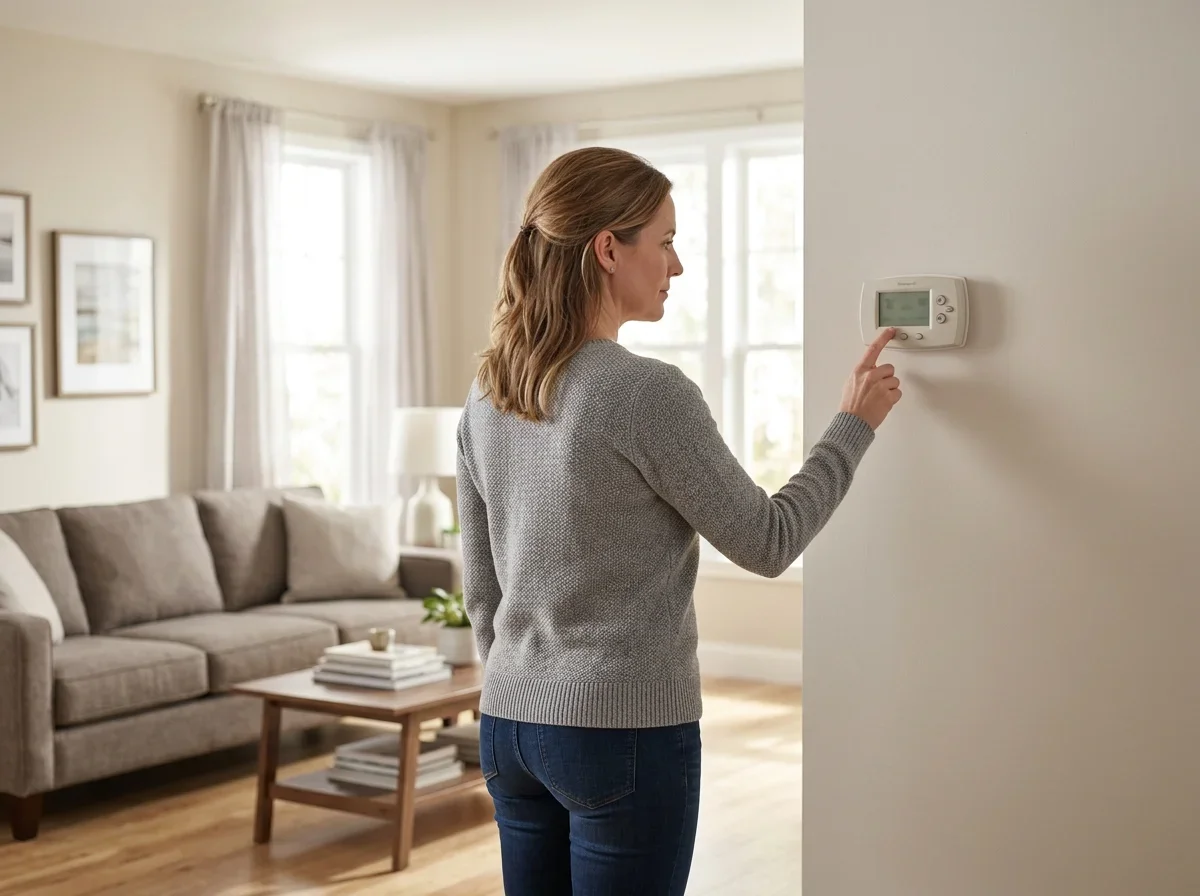
The compressor and capacitor take the biggest jolt at every start. A pattern that continues is worth a proper diagnosis through AC Repair.
How often should an AC turn on and off?
Cycle length varies by equipment, home, and outdoor temperature, so treat any figure as a general guide rather than a rule. Many HVAC resources describe a healthy cycle in mild weather as roughly 10 to 20 minutes, which works out to about two to three cycles per hour.
Phoenix peak heat changes the picture. On a 106°F afternoon, a system that runs almost nonstop is doing its job. That is not short cycling.
To tell the difference, time it:
- Pick a hot afternoon and set the thermostat where you normally keep it.
- Start a phone timer and note when the system turns on and off.
- Log each run and each off period.
- Count the cycles and note whether the house actually cooled.
Short runs with a house that is not cooling point to short cycling. Long runs with slow cooling are a different problem, so see what to do when your AC stops cooling in a heat wave.
How it works
How to time your AC cycles
Step 1: Set the thermostat as usual
Pick a hot afternoon
Step 2: Time each run and off period
Use a phone timer
Step 3: Count the cycles
Step 4: Check whether the house cooled
Short runs without cooling suggest short cycling
Why does Phoenix heat make short cycling worse?
Heat does not cause short cycling by itself. It exposes weak parts sooner.
Phoenix logged 113 straight days at or above 100 degrees in 2024, far beyond the 76-day record set in 1993. A coil that was slightly dirty, a charge that was marginal, or a tired capacitor had no cool days to hide behind.
Fine desert dust loads filters and outdoor coils, and monsoon storms (July through September) can pack leaves and grit against the condenser.
That is why a pre-summer check in May or June pays off. See AC Tune-Up and Maintenance for what a good one covers, and how often to change your filter in Phoenix homes.
What causes an AC to short cycle?
Several causes overlap, and the symptoms look alike. Here is how each one shows up.
How the parts connect
Where short cycling problems start
Thermostat
Wrong readings end cycles early
Filter and indoor coil
Restricted airflow or ice
Refrigerant circuit
Low charge means a leak
Capacitor
Clicking, humming, no start
System size
Oversized units shut off fast
| Cause | Typical sign | DIY check | Who fixes it |
|---|---|---|---|
| Oversized system | Hot spots, quick shutoffs | Note run times | Licensed ROC contractor |
| Dirty filter or coils | Weak airflow, possible ice | Check filter, clear debris | Homeowner, then licensed ROC contractor |
| Low refrigerant | Poor cooling, ice on lines | Look for ice only | Licensed ROC contractor |
| Thermostat issue | Cycling with odd readings | Check settings, batteries | Homeowner, then licensed ROC contractor |
| Failing capacitor or electrical part | Clicking, humming, no start | None; do not open panels | Licensed ROC contractor |
Oversized system
An oversized unit cools the area around the thermostat quickly and shuts off before air has circulated through the whole house. In Phoenix, expect uneven temperatures and hot spots more than dampness.
This is a real risk with replacements. The average Phoenix-metro home dates to about 1985, so many are on their second or third system.
If yours was matched to the old unit's tonnage without a load calculation, sizing is a fair suspect. Ask any contractor whether the quote is based on a room-by-room load calculation, and see AC Replacement and Installation.
Dirty filter or coils
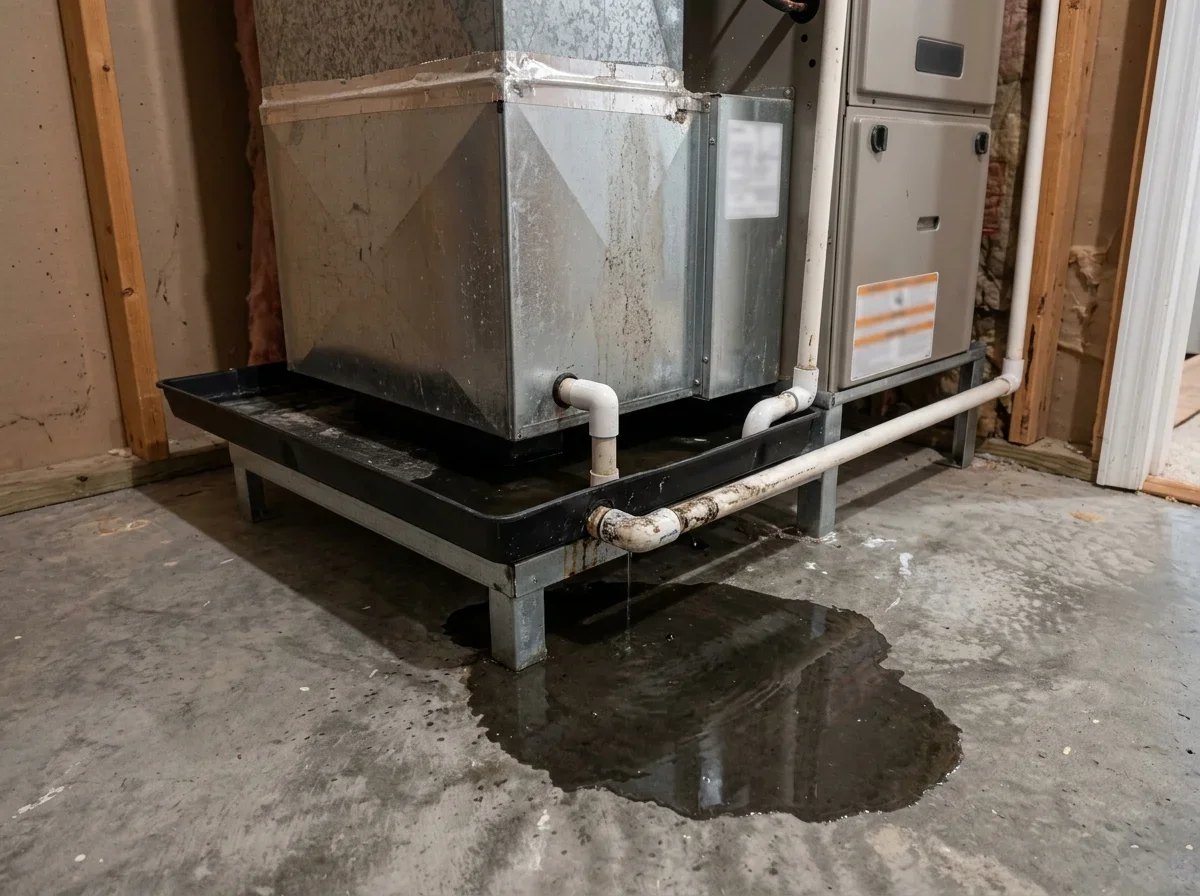
Restricted airflow can make the system overheat or let the indoor coil ice up. Either one can shut it down early. If you see ice, read why your AC is freezing up.
Low refrigerant
Refrigerant does not get used up. If the charge is low, there is a leak, so a top-off is a temporary fix at best.
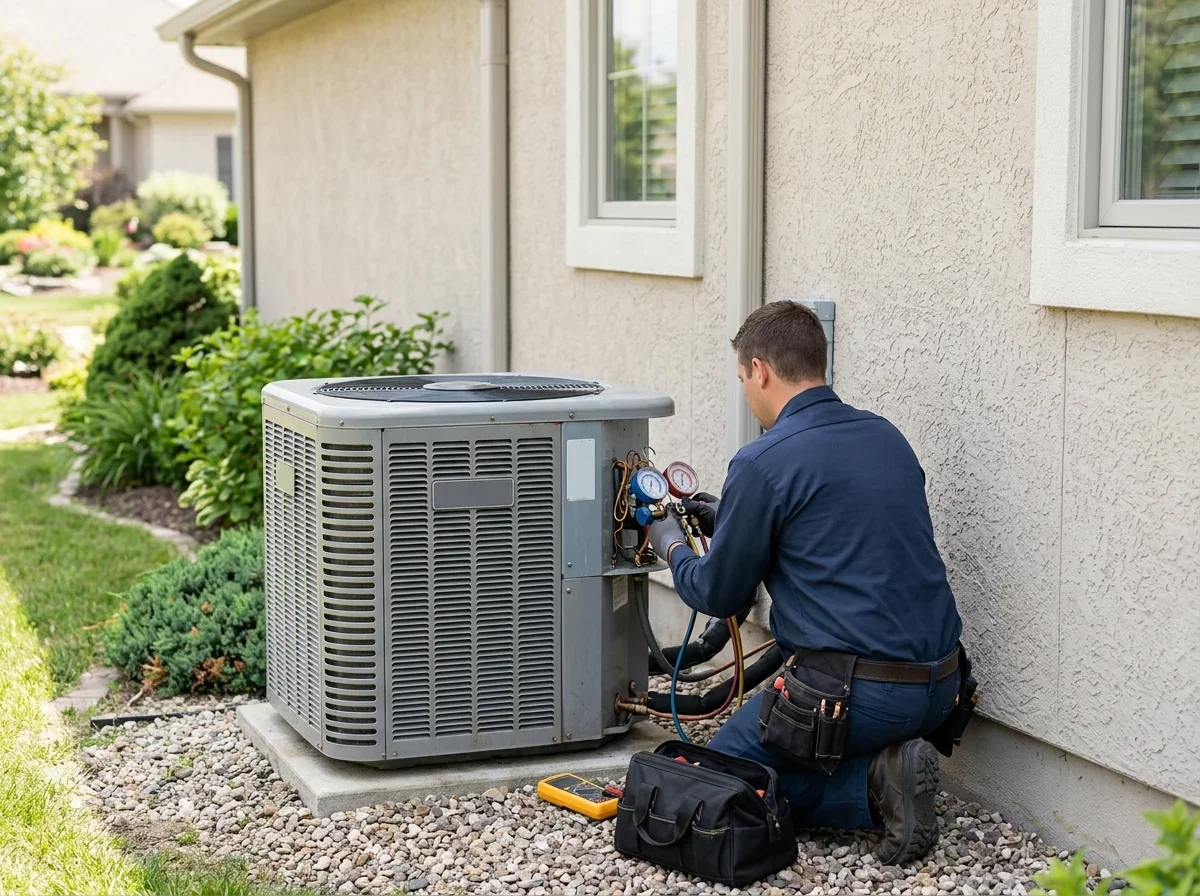
Only a certified technician may service the refrigerant circuit, which EPA Section 608 requires for adding or removing refrigerant.[1][2] See AC Refrigerant Recharge and Leak Repair.
Thermostat problems
A thermostat near a supply register, a sunny window, or the kitchen can read wrong and end cycles early.
A failing capacitor is a separate electrical issue covered under AC Compressor and Capacitor Replacement.
How do I stop my air conditioner from short cycling?
Start with the checks that are safe for any homeowner:
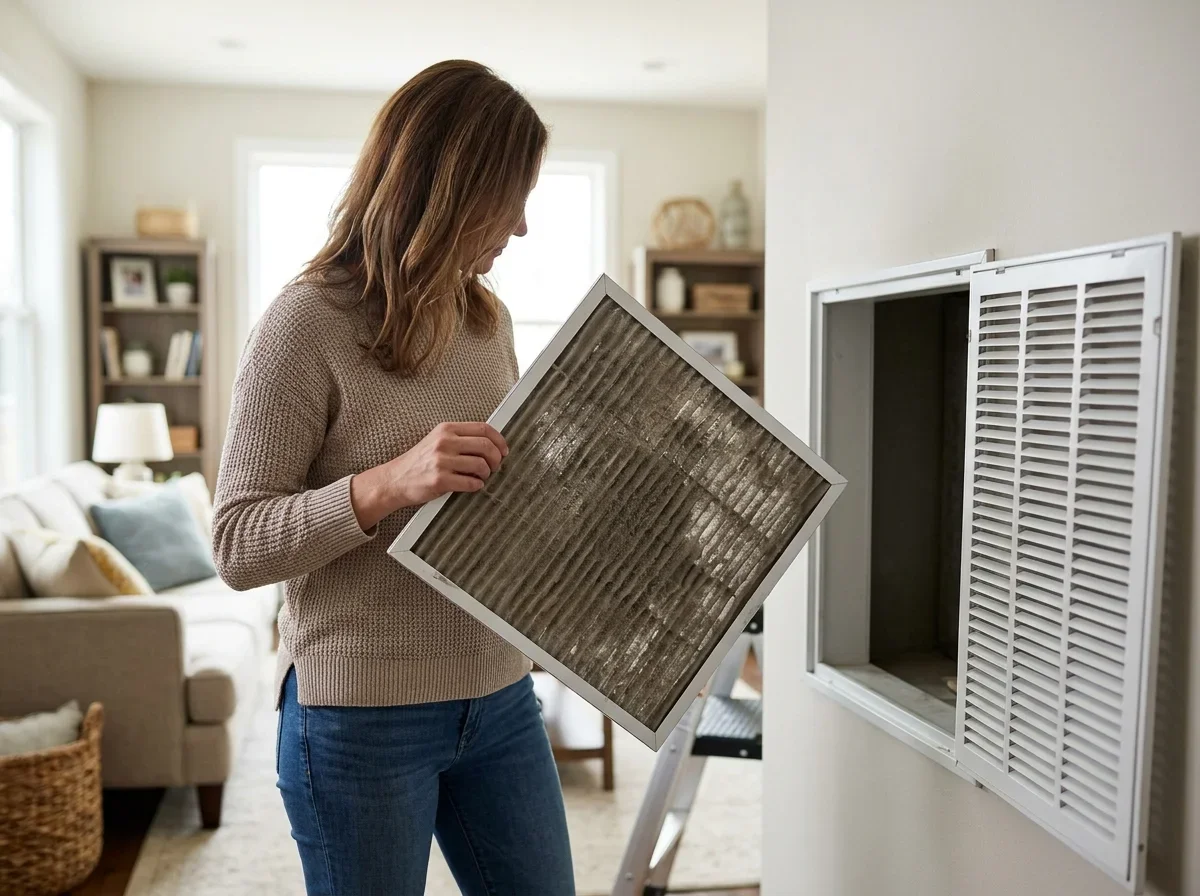
- Replace a dirty filter with the correct size and airflow rating.
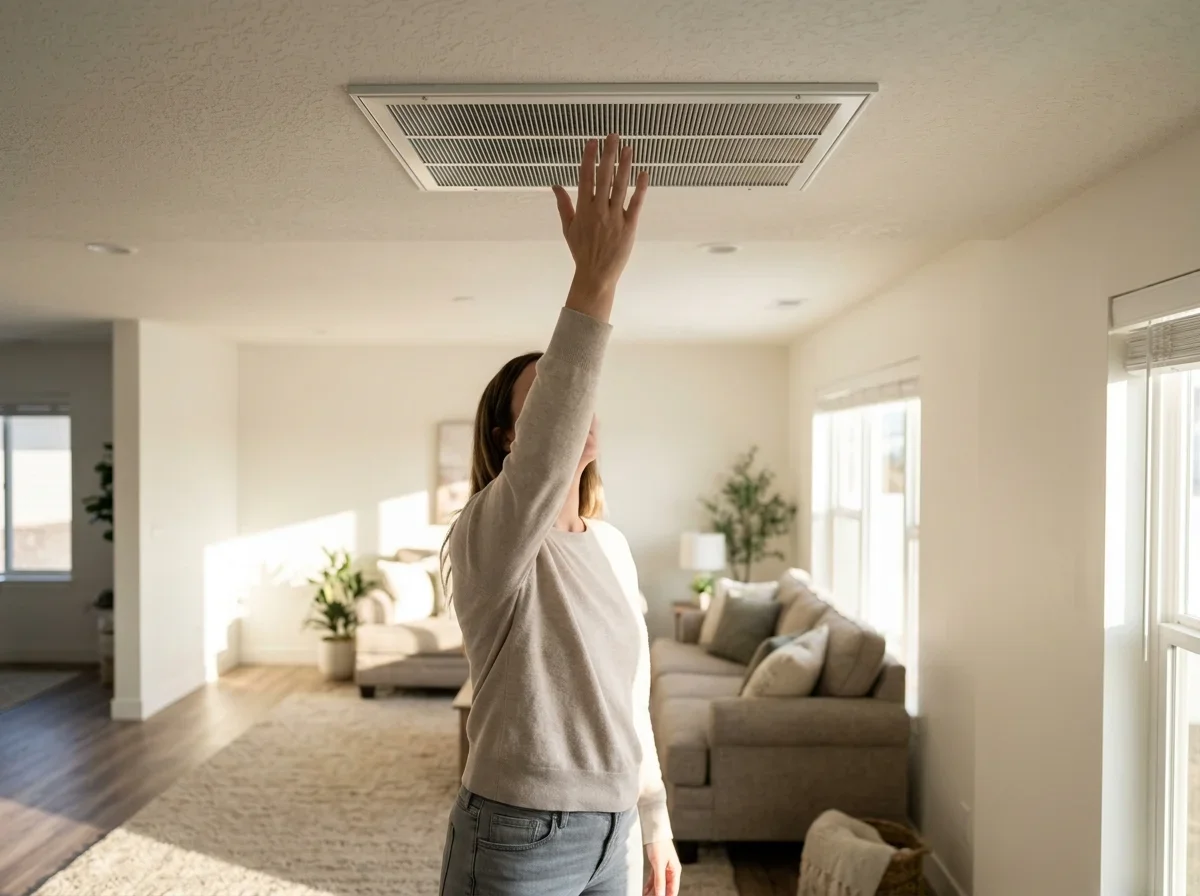
- Open supply and return vents.
- Clear leaves, dust, and stored items from around the outdoor unit.
- Confirm thermostat settings and replace the batteries.
Then stop. Do not open panels, add refrigerant, or spray water on electrical parts.
Checklist
Safe homeowner checks
0 of 5 ticked
Tick them off as you go. Nothing is saved or sent.
If it keeps cycling, switch cooling off to protect the compressor and call a pro. If you see ice, turn cooling off and let the coil thaw.
Write down run times, outdoor temperature, and filter condition first, because that log speeds up the diagnosis. For a no-cool emergency, use the heat wave checklist.
Pro tip
Keep your run-time log on your phone and show it to the technician. Cycle times, outdoor temperature, and filter condition help narrow down the cause quickly.
When should I call a licensed HVAC contractor?
Call when basic checks do not fix it, or any time the cause could be refrigerant, electrical, or coil related.
In Arizona, HVAC work requires a contractor holding an R-39, R-39R, or CR-39 type license from the Arizona Registrar of Contractors. The ROC's hiring guidance explains the steps, and our guide on verifying an HVAC contractor's license walks through them.
Licensed does not mean insured. The ROC requires a license holder to carry workers' compensation but no other insurance, so ask for proof of liability coverage before work starts.
Ask about permits too, since rules differ by city. Phoenix requires none for repair unless size, capacity, or location increases. Scottsdale requires a Minimum Mechanical Permit for like-for-like replacement. Our permit guide covers the metro.
Ask the technician to measure airflow and static pressure, not just add refrigerant or swap a thermostat.
Key takeaways
- Time your cycles before assuming short cycling
- Only filter, vent, outdoor-unit, and thermostat checks are DIY
- Refrigerant and electrical work needs a licensed contractor
- Ask for proof of liability coverage before work starts
Frequently asked questions about AC short cycling
How often should AC turn on and off?
Roughly two to three cycles an hour in mild weather is a general guide, but near-continuous running on a 110°F afternoon is normal.
What is the $5000 rule for AC?
It is a repair-versus-replace rule of thumb. The usual version multiplies the repair quote by the system's age in years, and a result above the threshold favors replacement. See repair or replace your AC for a Phoenix-specific decision.
How to stop air conditioner from short cycling?
Replace the filter, clear the outdoor unit, open vents, and check thermostat settings. If cycling continues, shut the system off and call a licensed contractor.
Why is my heat pump short cycling in cooling mode?
In cooling mode, a heat pump shares most causes with a central AC: airflow, charge, sizing, and electrical parts. See Heat Pump Installation and Repair.
Is AC short cycling dangerous for my system?
It is hard on it. Repeated starts stress the compressor and capacitor, and a frozen coil or a high-pressure shutdown can follow.
Can a dirty filter cause short cycling?
Yes. A clogged filter restricts airflow, which can overheat the system or freeze the indoor coil and shut it down early. It is the cheapest and safest first check.
Questions
- U.S. Environmental Protection Agency. "Questions and Answers for Section 608 Certified Technicians." https://www.epa.gov/section608/epas-refrigerant-management-program-questions-and-answers-section-608-certified. Accessed October 16, 2026.
- U.S. Environmental Protection Agency. "Section 608 Technician Certification Requirements." https://www.epa.gov/section608/section-608-technician-certification-requirements. Accessed October 16, 2026.
- U.S. Environmental Protection Agency. "Resources for Stationary Refrigeration and Air-Conditioning Equipment Technicians." https://www.epa.gov/section608/resources-stationary-refrigeration-and-air-conditioning-equipment-technicians. Accessed October 16, 2026.
- U.S. Environmental Protection Agency. "EPA’s Refrigerant Management Requirements: What Technicians Need to Know." https://www.epa.gov/sites/default/files/2016-09/documents/608_fact_sheet_technicians_0.pdf. Accessed October 16, 2026.