Why is my AC leaking water?
Your cooling coil pulls moisture out of the air as it chills it. That moisture drips into a pan and runs out through a condensate drain line. A leak means something along that path has failed.
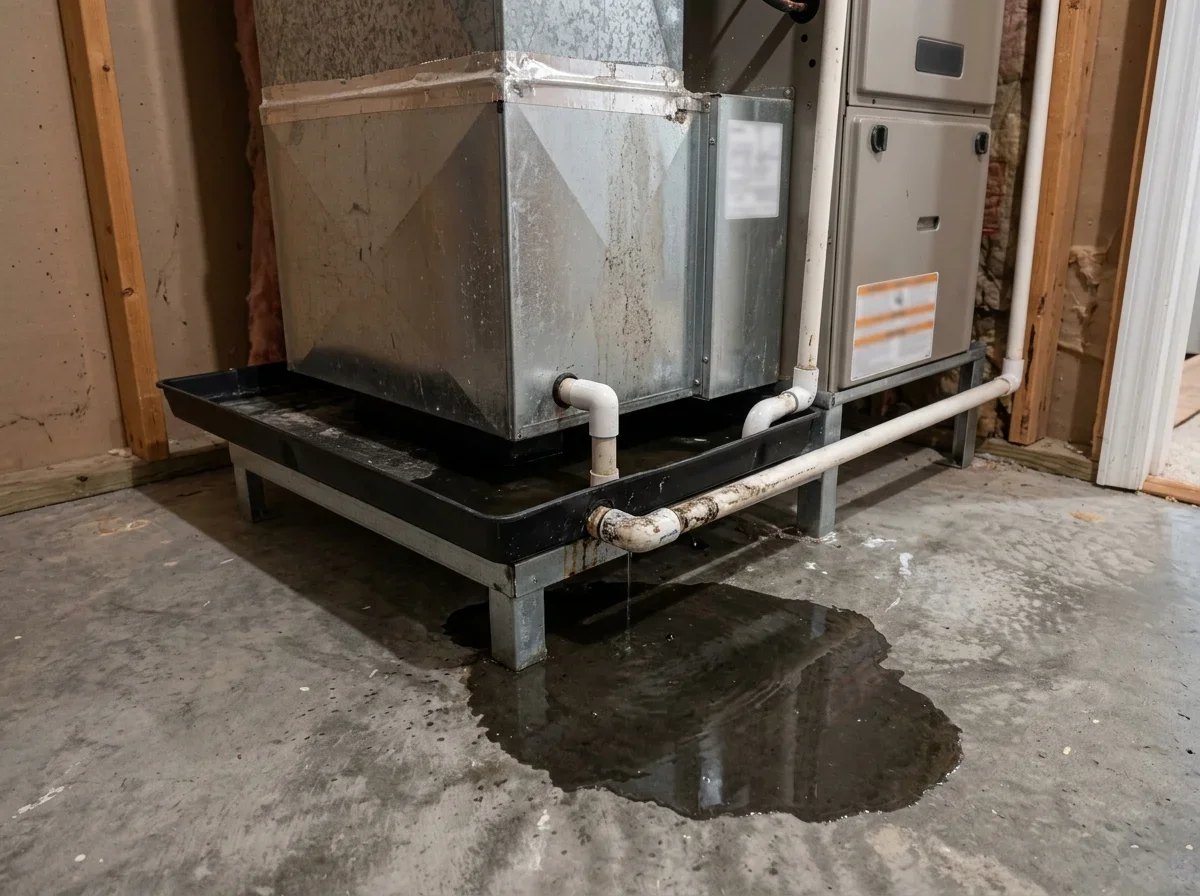
The usual suspects:
- A clogged drain line (algae, sludge, dust, debris)
- A cracked or rusted drain pan
- A disconnected or sagging drain line
- A dirty filter or coil restricting airflow
- A frozen coil that thaws and overwhelms the pan
- Low refrigerant, which can cause the coil to freeze
Phoenix systems run for months with little rest, so a marginal drain or a neglected filter tends to fail at peak load. Our guide to how often to change your AC filter in Phoenix homes explains the schedule that heavy run time demands.
| Where you see water | Likely cause | DIY check | Call a pro if |
|---|---|---|---|
| Puddle under indoor unit | Clogged drain line or full pan | Look for standing water in the pan | Pan is cracked or the puddle returns |
| Dripping from a vent | Duct condensation or overflowing pan | Check for a wet or uninsulated diffuser | Ceiling is stained or sagging |
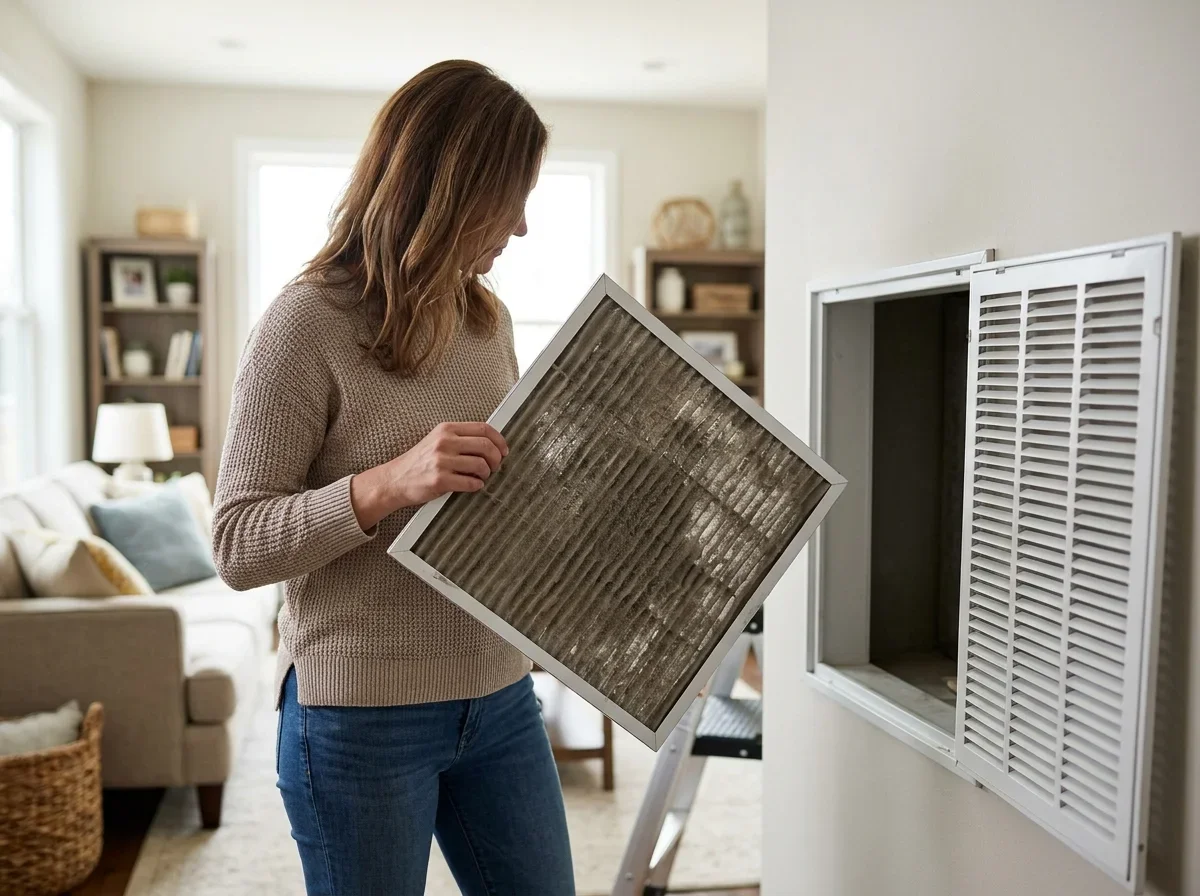
| Water on or around the filter | Blocked drain or thawing coil | Swap a dirty filter, check for ice | Water keeps appearing after a new filter |
| Ice on the coil or lines | Poor airflow or low refrigerant | Turn system off and let it thaw | Ice returns after thawing |
| Wet spot under outdoor or rooftop drain pipe | Sagging, cracked, or blocked exterior pipe | Look for low spots or cracks | The pipe needs rerouting or replacing |
What to do right now when water is leaking
Steps to stop the damage
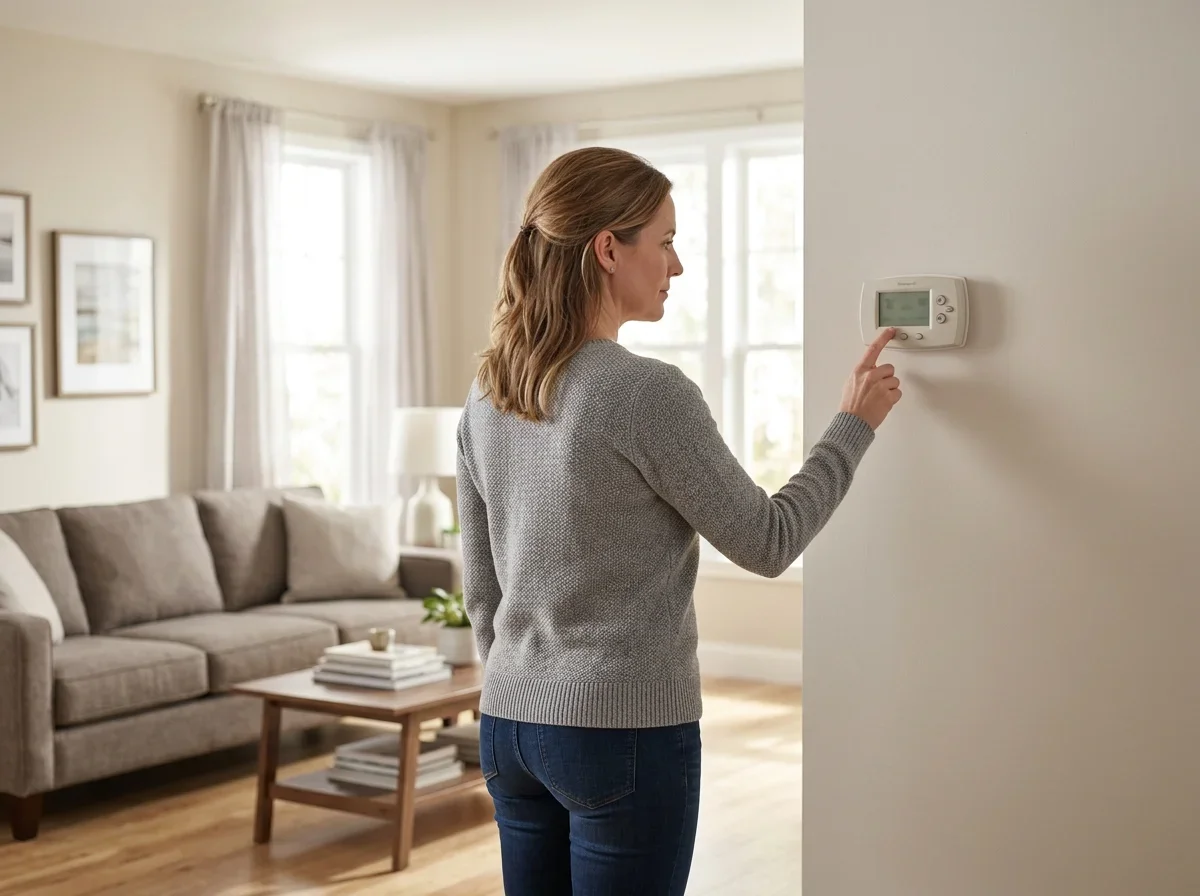
- Set the thermostat to Off so the system stops making more condensate.
- If water is near the air handler's electrical parts, switch off the breaker, but only if you can reach it safely.
- Mop up and move rugs and furniture.
- Check the filter and swap it if it is dirty.
- Look in the drain pan for standing water, if the pan is reachable from a safe, cool spot.
If the air handler sits in a summer attic, skip the climb. Attic heat is a hazard on its own.
Is water dripping from AC dangerous?
Some outdoor dripping is normal. Indoor pooling is not.
Water on the floor, in a ceiling, or near electrical equipment can damage materials, encourage mold, and create a shock risk.
Don't keep running a unit with a frozen coil, either. Let the ice thaw with the system off and don't chip at it. If it refreezes, you need diagnosis from an AC repair pro.
How do I unclog my AC drain line?
Turn the power off at the thermostat and breaker first. Then locate the drain line, typically a PVC pipe running from the indoor unit to the outside, and find the access tee or cleanout near the unit.
- Go to the outdoor end of the line, where the pipe discharges.
- Hold a wet/dry shop vacuum to the opening and seal around the hose with a rag.
- Run the vacuum for a minute or two to pull out sludge.
- Flush the line through the cleanout with water. Never mix cleaners or pour anything into a pan you can't reach.
- Avoid forcing high-pressure air into the system.
You'll know it worked when water flows freely to the outlet, the pan empties, and any float switch resets.
How it works
How to clear a clogged drain line
Step 1: Vacuum the outdoor end
Seal the hose with a rag
Step 2: Run for a minute or two
Pulls out sludge
Step 3: Flush through the cleanout
Use water only
Step 4: Confirm water flows freely
Pan empties and float switch resets
If the clog returns, you're likely dealing with poor slope, a break, a damaged pan, or an airflow problem rather than just dirt. Stop there and call a pro.
A yearly AC tune-up typically includes line cleaning, which is cheaper than a ceiling repair.
Why is water leaking from my AC vent or air handler?
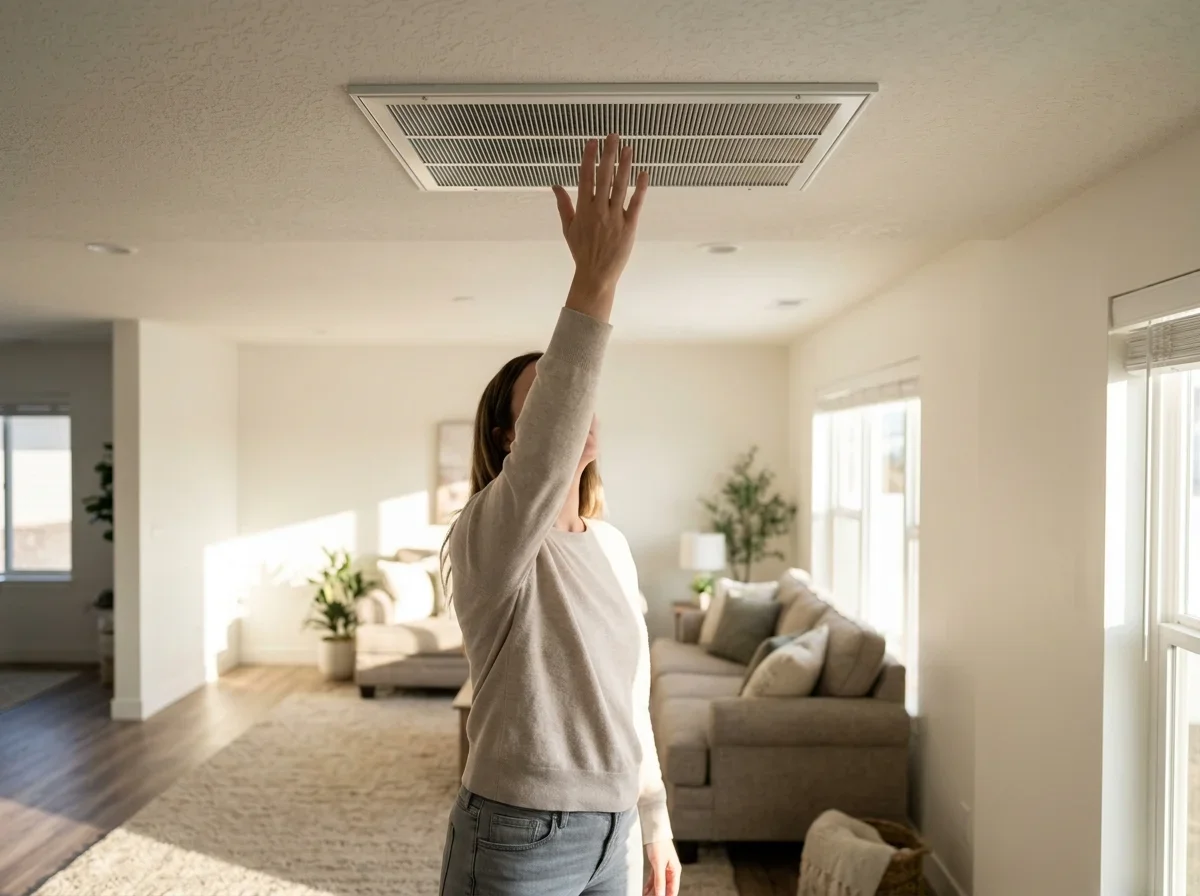
A single dripping vent has a few possible causes. Humid air can condense on a cold diffuser or on uninsulated, leaky ducts. A blocked pan can also overflow into the ductwork.
Ceiling stains that look like roof leaks are often just an overflowing condensate pan.
Water on the filter or around the air handler usually points to a blocked drain, a coil thawing after freezing, or a dirty filter choking airflow. Sealing and insulating ducts can fix the first scenario. Our ductwork repair page covers that work.
How the parts connect
The condensate path
Cooling coil
Pulls moisture from the air
Drain pan
Catches the drips
Condensate drain line
Carries water outside
Outdoor outlet
Where water should discharge
Frozen coils come from restricted airflow or low refrigerant. See AC fan not spinning if your fan is quiet.
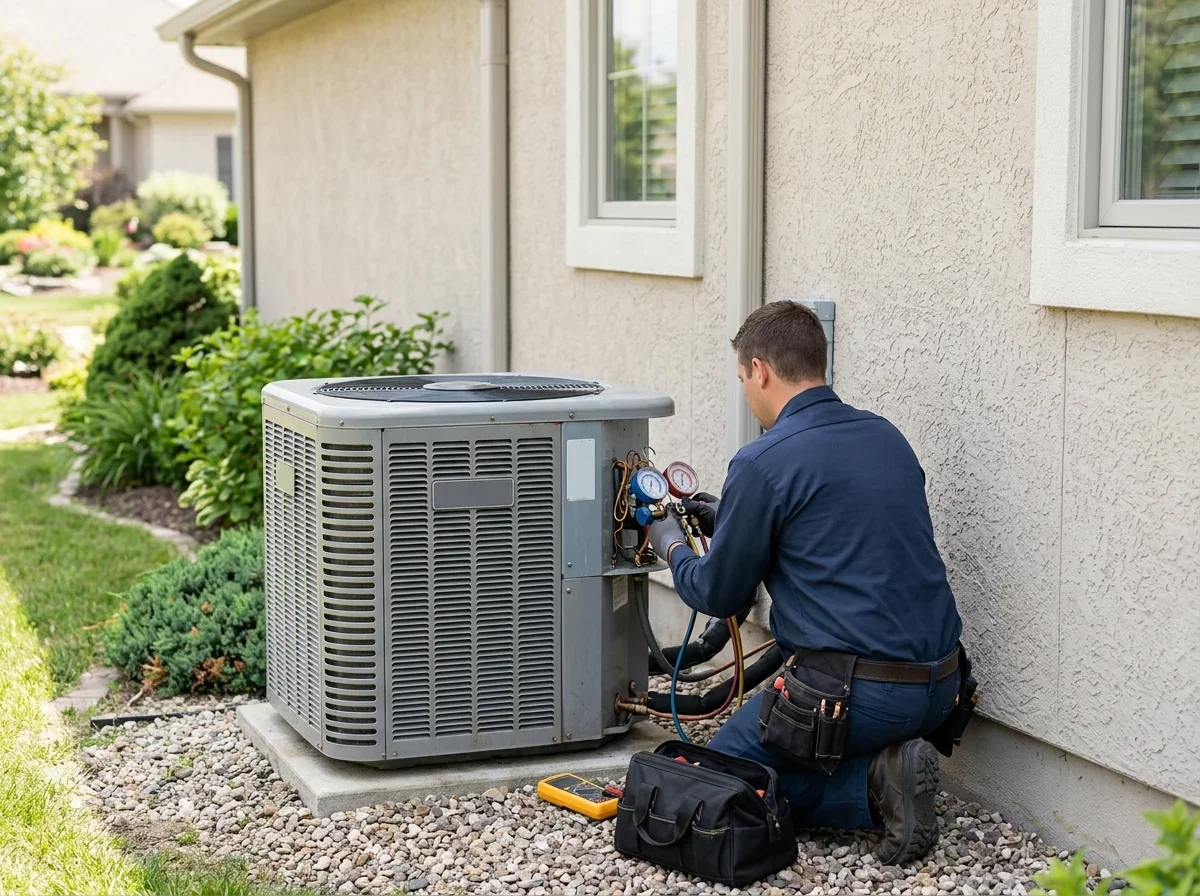
Refrigerant problems are not a DIY job. Federal rules require EPA Section 608 certification for service that could release refrigerant.[3] Venting refrigerant is prohibited.[4]
Does Phoenix's sun-exposed drain pipe rule matter to me?
It might. Phoenix's amendments to the 2024 International Mechanical Code took effect August 1, 2025 (Ordinance G-7397). One change prohibits nonmetallic condensate piping in direct sunlight, such as on a roof, because extreme heat softens it and it sags.
That matters for leaks because a sagging line creates a low spot where water pools and backs up.
It governs new installs and replacements, and you shouldn't assume it forces you to replace existing pipe. Confirm the exact section and its scope with the City of Phoenix before relying on it.
When should I call a licensed HVAC contractor?
Call when:
- The leak returns after clearing the line
- The coil keeps freezing
- Water comes from the pan or through a ceiling
- A float switch keeps shutting the system down
- You suspect refrigerant loss
Arizona's R-39 classification covers installation and repair of comfort air-conditioning systems.[1] C-39, R-39, and R-39R are recognized air-conditioning classes.[2]
Look up the license on the ROC Contractor Search (linked from roc.az.gov) and confirm the class matches the work. Our guide to verifying an HVAC contractor's license walks through it.
Checklist
Before you hire
0 of 4 ticked
Tick them off as you go. Nothing is saved or sent.
Permit rules differ by city, so ask which one applies:
- Phoenix: no permit for repair that doesn't increase size, capacity, or location
- Scottsdale: a mechanical permit is required to repair AC equipment
- Unincorporated Maricopa County: like-for-like repair can be web-issued online
Costs depend on the job, so get an itemized written quote. Our AC repair cost guide covers what drives the final bill.
Pro tip
If water keeps returning after you clear the drain line and change the filter, stop DIY work and have a licensed pro check the pan, slope, and coil.
AC leaking water FAQ
How do I stop my air conditioner from leaking water?
Turn the system off, then check the filter and the pan, and clear the drain line if you can reach the outlet. If water keeps returning, book AC repair.
How do I unclog my AC drain line?
Seal a wet/dry vacuum at the outdoor discharge end, run it, then flush through the cleanout. If the clog comes back, stop and call a pro.
How can I tell if my AC drain line is clogged?
Typical signs are water in the pan, a puddle by the indoor unit, a float switch shutting the system down, or no water at the outdoor outlet on a hot day.
How to check for AC leaks?
Look at the pan, the drain line fittings, the filter, and the coil for water or ice. Check from a cool, safe spot rather than a hot attic.
My air handler is dripping water on the filter. What could be causing this?
Common causes are a blocked drain, a coil thawing after icing, or a dirty filter limiting airflow. Replace the filter and let any ice thaw with the system off.
Is water dripping from AC dangerous?
It can be. Pooled water can damage floors and drywall, feed mold, and reach electrical parts. Shut the system down and dry the area promptly.
Why is my AC leaking water from the bottom of the unit?
Water at the base usually means a clogged line, an overflowing or cracked pan, or a disconnected drain. Our AC freezing up guide helps if you also see ice.
Last reviewed: 2026.
Questions
- Arizona Registrar of Contractors. "License Classifications." https://roc.az.gov/license-classifications. Accessed October 16, 2026.
- Arizona Registrar of Contractors. "License Classification Requirements." https://roc.az.gov/sites/default/files/2022-07/License%20Classification%20Requirements_6.8.20_0.pdf. Accessed October 16, 2026.
- U.S. Environmental Protection Agency. "Questions and Answers for Section 608 Certified Technicians." https://www.epa.gov/section608/epas-refrigerant-management-program-questions-and-answers-section-608-certified. Accessed October 16, 2026.
- U.S. Environmental Protection Agency. "Section 608 of the Clean Air Act: Stationary Refrigeration and Air Conditioning." https://www.epa.gov/sites/default/files/2018-09/documents/section_608_of_the_clean_air_act.pdf. Accessed October 16, 2026.
- U.S. Environmental Protection Agency. "Refrigerant Management Requirements: What Technicians Need to Know." https://www.epa.gov/sites/default/files/2016-09/documents/608_fact_sheet_technicians_0.pdf. Accessed October 16, 2026.